

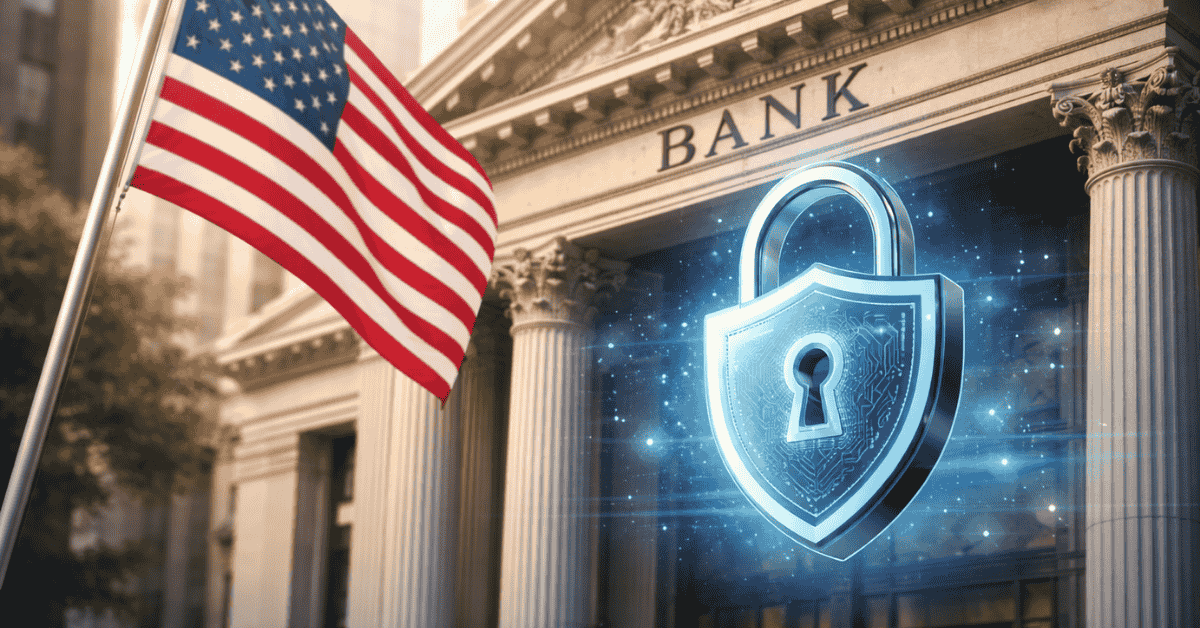
Banks in the United States have long been custodians of not just money but also valuable personal data. With digital transactions becoming the norm, banks have had to ramp up their data protection measures to ensure that sensitive information remains under wraps. But how secure is this digital vault? In exploring the labyrinth of data security in the financial sector, one must consider how data privacy laws and technological safeguards work hand in hand to keep prying eyes at bay while addressing the inherent vulnerabilities.
protecting personal data in financial institutions
Financial entities are on the front lines of securing client information against digital threats. These organizations employ top-notch encryption and security frameworks to protect data. Encryption turns readable data into a scrambled format that only authorized parties can decode. While this sounds like a robust wall, it isn’t impervious.
Cybercriminals continually devise methods to breach these defenses. Consequently, banks not only focus on preventive measures but also invest in detection systems that can quickly identify breaches, minimizing potential damage.
The regulatory environment plays a crucial role in how financial bodies manage their data. Laws such as the Gramm-Leach-Bliley Act mandate that institutions must explain how they share and protect client information. These regulations provide a blueprint for safeguarding privacy, but compliance doesn’t automatically mean data is impervious to threats. As regulatory landscapes evolve, ongoing amendments are essential to addressing new challenges and technologies affecting data privacy in intangible assets.
balancing accessibility and security
While strong security measures are necessary, ease of access for legitimate users remains a priority. Clients expect financial services to be both secure and convenient. Multi-factor authentication is often employed, balancing security with user accessibility by requiring two or more verification methods.
Moreover, financial apps now use biometric data like fingerprints or facial recognition, elevating the level of security even as they satisfy modern-day convenience demands. However, the inclusion of biometric data raises new concerns about how safely this sensitive information is stored and managed.
The rise of fintech companies also complicates the picture. As these startups innovate with new digital services, they introduce both opportunities and risks to the data security landscape. They are often required to adhere to the same stringent privacy regulations as traditional institutions but may approach these challenges with less established infrastructures or resources. It’s a delicate dance between harnessing technological advances for enhanced customer experiences while diligently defending against potential threats.
the ongoing journey of enhancing data privacy
Despite immense efforts to shield customer information, the journey of safeguarding personal data is ongoing. Cybersecurity threats evolve, requiring continuous updates in technology and strategies. Additionally, as financial institutions integrate more artificial intelligence and data analytics into their offerings, new challenges and ethical questions regarding data usage arise. Balancing technological advancements with rigorous data protection is a continuous struggle, ensuring that data privacy is not a one-time investment but an ongoing commitment.
In conclusion, while banks in the United States have made strides in fortifying data privacy, the rapid pace of technological advancement and evolving cyber threats mean this task is never finished. Institutions must remain vigilant and adaptable, ensuring they not only comply with regulations but also stay one step ahead of potential threats. Through a combination of robust technology and proactive strategy, they strive to keep client data secure.
👉 Also read: Banking Strategies in the U.S. Amid Increasingly Autonomous Customers