


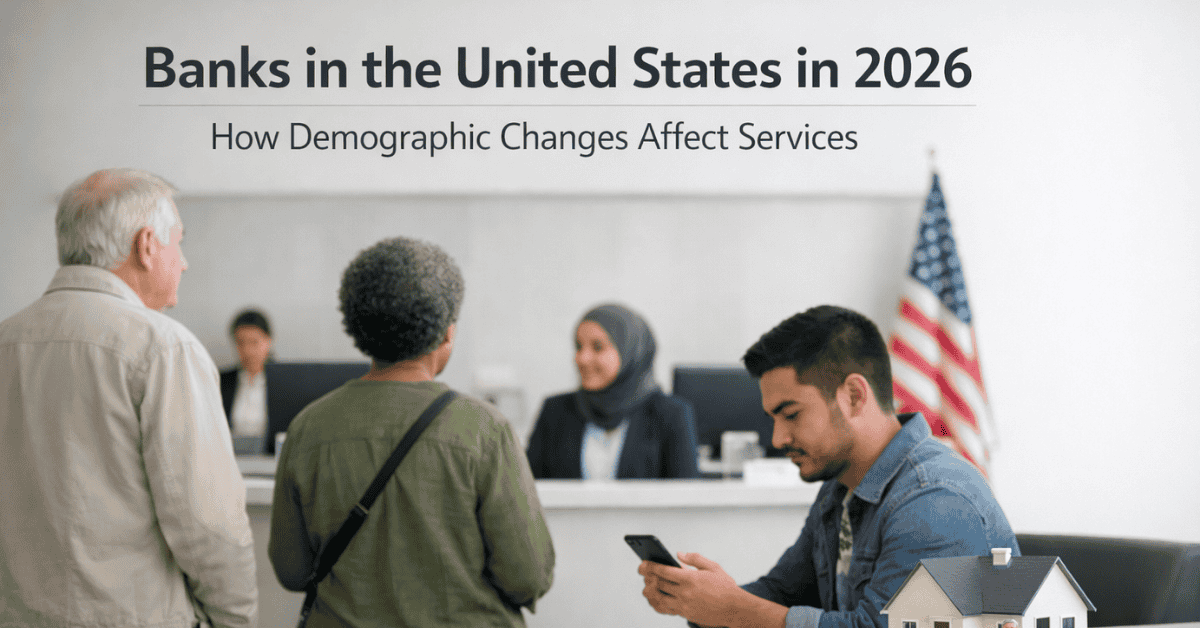
Banks in the United States are poised for significant evolution by 2026, as shifting demographics reshape financial landscapes. With an increasingly diverse population, financial institutions are rethinking their services to cater to various age groups, cultural backgrounds, and technological preferences.
This dynamic environment presents both challenges and opportunities for the banking sector, as it must adapt to serve an expanding and varied customer base. Let’s explore how these changes influence the services and offerings of financial institutions across the nation.
Adapting to a multicultural customer base
Banks must now cater to a multicultural society, where individuals from countless backgrounds seek financial services that align with their unique needs and values. Immigrants and descendants of diverse cultures bring different expectations, necessitating tailored products that resonate with their financial habits and aspirations.
Language services, cultural literacy among bank staff, and inclusive advertising play crucial roles in building trust and loyalty. By recognizing and embracing multiculturalism, financial institutions foster customer satisfaction and position themselves as leaders in a competitive market.
Furthermore, the trend toward urbanization brings its own set of demands, with city dwellers seeking efficiency and convenience. Urban customers value mobile banking apps and seamless digital transactions, prompting banks to invest in cutting-edge technology. Offering apps with multi-language support and hyper-localized services ensures they meet the needs of a digital-savvy population while fostering a sense of community.
Meeting the needs of an aging population
With the proportion of older Americans on the rise, financial institutions must develop initiatives that consider the unique requirements of this group. Retirement planning, investment advice, and healthcare-related financial products are in higher demand, necessitating specialized knowledge among bank staff.
As older clients may prefer personalized, face-to-face interactions, traditional brick-and-mortar branches remain vital. However, banks should also facilitate digital literacy for aging customers to ensure they can access essential services online, bridging generational gaps in technology use.
Moreover, safeguarding against financial exploitation is a top priority, as older individuals can be vulnerable to scams. By implementing strong security measures and providing educational resources, banks can help protect this demographic while enhancing trust and credibility within the community.
Future services and the role of technology
As we move toward 2026, technology will undoubtedly continue to play a significant role in shaping financial offerings. The rise of artificial intelligence and machine learning facilitates personalized customer experiences by analyzing data to predict individual preferences and financial behaviors. Enhanced customer service, through chatbots and automated processes, ensures quick and efficient support across various channels.
Nevertheless, the human element should not be overlooked. While technology can streamline services, personal interactions remain essential, especially for complex financial needs and relationship-building.
👉 Also read: Banking Strategies in the U.S. Amid Increasingly Autonomous Customers